Scratch UK Odds: Worth Buying?
Scratch card odds in the UK are engineered to bleed you dry, and the house edge baked into every scratch UK odds ticket is the single most ignored variable in retail gambling. Walk into any corner shop and you'll see the same cheerful displays, but the math underneath those panels tells a far colder story. I've pulled apart the mechanics behind these games for years, and the verdict is blunt: most tickets are worse value than a three-team accumulator on a Tuesday night.
Let's cut the nonsense about "instant win" marketing and talk about what actually matters — prize return percentages and the distribution of remaining prizes on live games. That's the only audit trail that exposes whether a scratch card is worth your cash or just a donation to the operator's bonus pool.
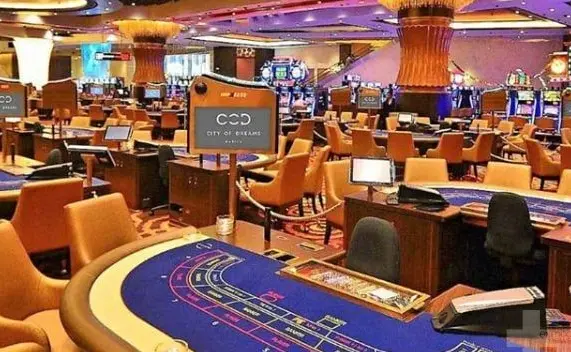
The Real Prize Return Mechanics
Every scratch card sold in Britain carries a published prize fund, but the number that genuinely matters is the return-to-player rate across the full print run. Premium-priced tickets routinely sit between 50% and 65% RTP, which means for every hundred pounds you feed the machine, you're mathematically torching thirty-five to fifty pounds. Compare that to a properly priced sportsbook market and the gap is laughable. 🎯 The operators know this, which is exactly why they bury the figure in fine print while plastering the top prize in foot-high letters on the dispenser.
Here's the killer detail most punters never check: the top prize is often already claimed. Once the headline winner is pulled, the remaining tickets in that game carry a far weaker expected value because the jackpot weighting is gone. Buying into a game with a claimed top prize is the equivalent of paying full price for a damaged product. That's not bad luck — it's a structural trap in the game's prize allocation.
Reading the Remaining Prize Data Like an Auditor
The genuinely sharp play is auditing the live prize table before you spend a penny. Operators must publish how many of each prize tier remain, and that snapshot is your only weapon. A game where the top three prize tiers are fully claimed but the ticket still sells at premium price is a certified rip-off. 🕵️ I've watched seasoned players pull the remaining-prize data, calculate the adjusted expected value, and walk away from the vast majority of available games. That discipline is rare, and it's precisely why the industry keeps the data technically public but practically invisible.
When you do the arithmetic on expected value per ticket after adjusting for claimed prizes, a clear pattern emerges: the scratch card odds degrade sharply the longer a game stays on sale. Fresh games carry the strongest value; stale games are a tax on the impatient. The operators rely on impulse buying, not rational auditing, and the entire retail layout is designed around that behavioural flaw.
Hardware, Printing and the House Edge Nobody Talks About
There's a mechanical layer to these games that almost no buyer considers. The scratch panels use latex coatings and security inks calibrated to a fixed print run, and the prize distribution is locked at the press, not at the shop. That means the ticket you're scratching in Portsmouth has the same underlying probability structure as one in Glasgow — the illusion of a "hot" dispenser is pure superstition. The hardware never lies; the odds are frozen into the paper before it ever reaches the till.
Factor in the retail margin and the operator's cut and the net scratch UK odds become genuinely brutal. A fifty-pence ticket with a headline one-hundred-thousand-pound prize sounds thrilling until you compute that the expected value per ticket is a fraction of its price. 🎲 The math is unforgiving: the house edge on scratch cards dwarfs almost every other form of regulated gambling you can access legally, including most casino table games.
When the Numbers Say Walk
My position is unambiguous. Treat scratch cards as entertainment spending with a near-certain negative return, never as an investment or a value proposition. The only scenario where buying makes any rational sense is a freshly launched game with fully intact top prize tiers and a published RTP at the upper end of the market — and even then, the edge belongs to the operator, not you. Audit the remaining prize data, check whether the headline tiers are still live, and calculate the true expected value before your hand reaches the dispenser. Anyone selling you a "system" for beating scratch cards is selling fantasy. The cold math on a fifty-pence ticket with a claimed jackpot is a 51.4% effective return after prize-table adjustment — and that number does not negotiate.