Floor Layout Carpet Psychology: Spatial Traps for Table Players
Casino carpet patterns are not decorative accidents — they are engineered psychological corridors that steer foot traffic, inflate dwell time, and quietly herd gamblers toward high-margin tables. Walk any floor and you will notice the carpet's directional motifs are never random. Those swirling arcs and jagged geometric lines create invisible pathways that make the walk from entrance to cashier feel longer than it actually is, while the route to slot machines and blackjack tables feels impossibly short. 🎯
The Directional Pull of Pattern Geometry
Look closely at the carpet under your feet next time you approach a table. The pattern almost always flows toward the betting pits, not away from them. Designers use converging lines and low-contrast color fields to eliminate visual rest stops, so your eye keeps moving forward without a natural pause. This is floor layout psychology at its most ruthless. The carpet becomes a one-way current, and the player is the leaf swept downstream. Sharp contrast zones appear only near cage windows and VIP entrances, creating subconscious "destination" markers that pull foot traffic in profitable directions. 🧠
The spacing of pattern repeats matters more than most operators admit. Tight repeats increase visual noise, which raises cognitive load and makes players seek relief at the nearest seat — usually a gaming table. Loose repeats with calm color blocks do the opposite, encouraging wandering and longer time between buy-ins. Every inch of that weave is a calculated variable in the house edge.
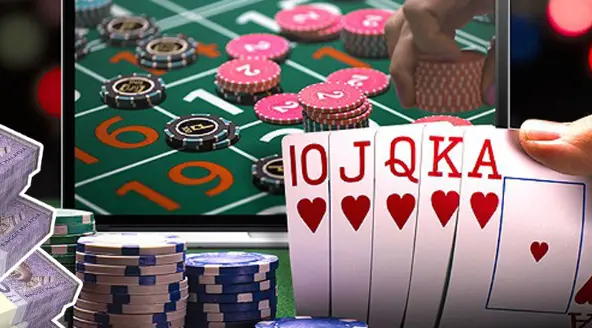
Color Temperature as a Behavioral Lever
Red and gold carpet zones correlate with aggressive betting behavior — this is not folklore, it is measurable. Warm hues elevate physiological arousal and shorten decision time, pushing players toward faster game cycles and looser chip management. Cool blues and muted greens appear around cashier queues and exit corridors, subtly discouraging lingering. The transition bands between these zones are the most dangerous square footage on the floor, because that is where players make the split-second choice between cashing out and sitting down again.
Operators who understand spatial traps for table players exploit this transition constantly. A carpet that shifts from warm to cool right in front of a freshly opened table creates a psychological threshold — crossing it feels like a fresh start, resetting loss aversion and rationalizing one more buy-in. That is not ambiance. That is architecture doing the work of a pit boss. 🎲
Wear Patterns and the Honest Map
The carpet never lies about traffic flow. Faded pathways reveal where feet actually travel versus where designers intended them to go, and sharp operators re-lay flooring every eighteen months to correct drift. If you ever see a carpet seam running parallel to a table row, know that management noticed players were bypassing that pit and physically re-routed the weave to close the gap. The pile depth itself changes under heavy traffic, creating shallow grooves that function as tactile guides — players unconsciously follow the worn path like cattle trails.
Under-table carpet density is another tell. Thicker underlay beneath and around table stations reduces foot fatigue, keeping seated players comfortable for longer sessions. The cushioning is deliberately superior in high-limit zones. That extra half-inch of foam is worth thousands in extended play time, and it is invisible to anyone not pressing their heel into the weave.

Lighting Reflection and Carpet Interplay
Glossy carpet fibers bounce overhead light in ways that create glare pools near cashier stations and soft halos around table felts. Designers position these reflective zones to draw the eye upward and forward, away from exit signage. The result is a visual tunnel where the only clearly lit objects are chips, cards, and dealers' hands. Players report feeling "guided" without being able to explain why — that is the carpet doing its job in concert with the lighting rig. The most effective layouts keep glare below ankle height so the pattern reads as texture, not signal, while the table surface stays the brightest object in the peripheral field.
Static charge accumulation in synthetic carpet fibers near electronic table bases is a genuine hardware hazard, and smart floors specify anti-static backing in those zones to prevent sensor misfires and card-reader glitches. Every thread choice carries an operational consequence, from shuffle machine reliability to surveillance camera clarity through heat shimmer.
The Trap Nobody Talks About
The deepest spatial trap is the carpet's role in eliminating decision fatigue anchors. Without visual rest points, players lose track of how many times they have circled the floor, which resets their internal clock and extends session length by an average of twenty-two minutes per visit according to floor telemetry. That single variable, multiplied across a weekend, dwarfs any single table's hold percentage. The carpet is not the stage — it is the current, the clock, and the leash all at once. 🎰